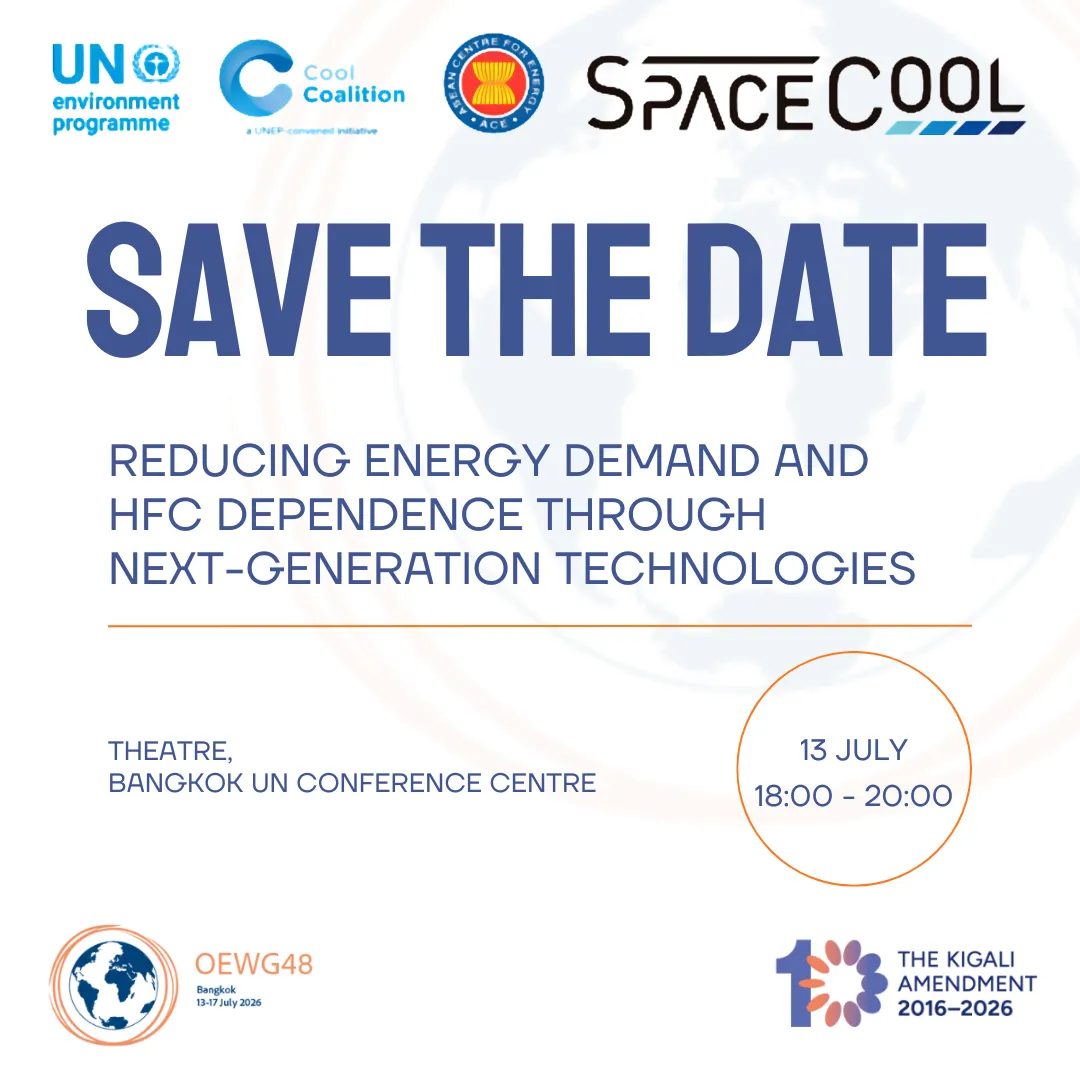
The Kigali Amendment set the trajectory for phasing down hydrofluorocarbons, but reducing demand for mechanical cooling in the first place remains the fastest and most cost-effective path to cutting both HFC consumption and energy-related emissions. According to UNEP's Global Cooling Watch 2025, passive cooling strategies alone can lower indoor temperatures by 0.5 to 8°C, with payback periods of 2 to 8 years. Yet, very few countries include mandatory passive requirements in their building codes, only 19 countries mandate shading, and fewer still enforce comprehensive envelope standards.
At the same time, the cooling technology landscape is evolving rapidly. Radiative cooling surfaces, advanced insulation materials, hybrid fan-AC systems, and solar-powered off-grid solutions are moving from laboratory to market. Japan and Italy, among others, are emerging as innovation hubs, with companies and research institutions developing technologies that reduce or eliminate the need for conventional vapour-compression systems and the high-GWP refrigerants they rely on.
As the Montreal Protocol community marks the 10th anniversary of the Kigali Amendment, the question is no longer only how fast to phase down HFCs, but how to build a cooling system that needs fewer of them. This side event will examine how passive cooling and next-generation technologies can accelerate Kigali compliance by reducing the demand that drives HFC consumption, and what policy, market, and financing conditions are needed to scale them.