National Cooling Action Plans (NCAPs) have become the sustainable cooling field’s main instrument for turning fragmented interventions into coordinated national strategy. The test now is how far that model can travel into fragile contexts, data-scarce systems and extreme-demand environments where cooling pressures are already acute. In May 2026, it reached Somalia and Djibouti, as the two countries launched their NCAP processes with support from the UNEP Cool Coalition. As national signatories of the Global Cooling Pledge, the world’s first collective commitment to cut cooling-related emissions by 68% by 2050, they are now working to deliver on their commitment to develop NCAPs.

Somalia frames cooling as productive infrastructure

In Somalia, livestock contributes around 40 per cent of GDP and more than half of export earnings. The country has an estimated 50 million animals, including more than 7 million camels, the largest camel population in the world. Yet with cold chain infrastructure still limited, exports remain concentrated in live animals. For fisheries, catches must be sold the same day or risk being wasted.

The NCAP process positions refrigeration as a missing link for food security and value retention. Sustainable cold chains can help preserve milk and meat, improve food safety, reduce losses and enable higher-value dairy and meat products. This frames cooling as a lever for resilience, productivity and local value creation, and makes Somalia a practical test case for national planning in a federal, data-scarce and resource-constrained setting.

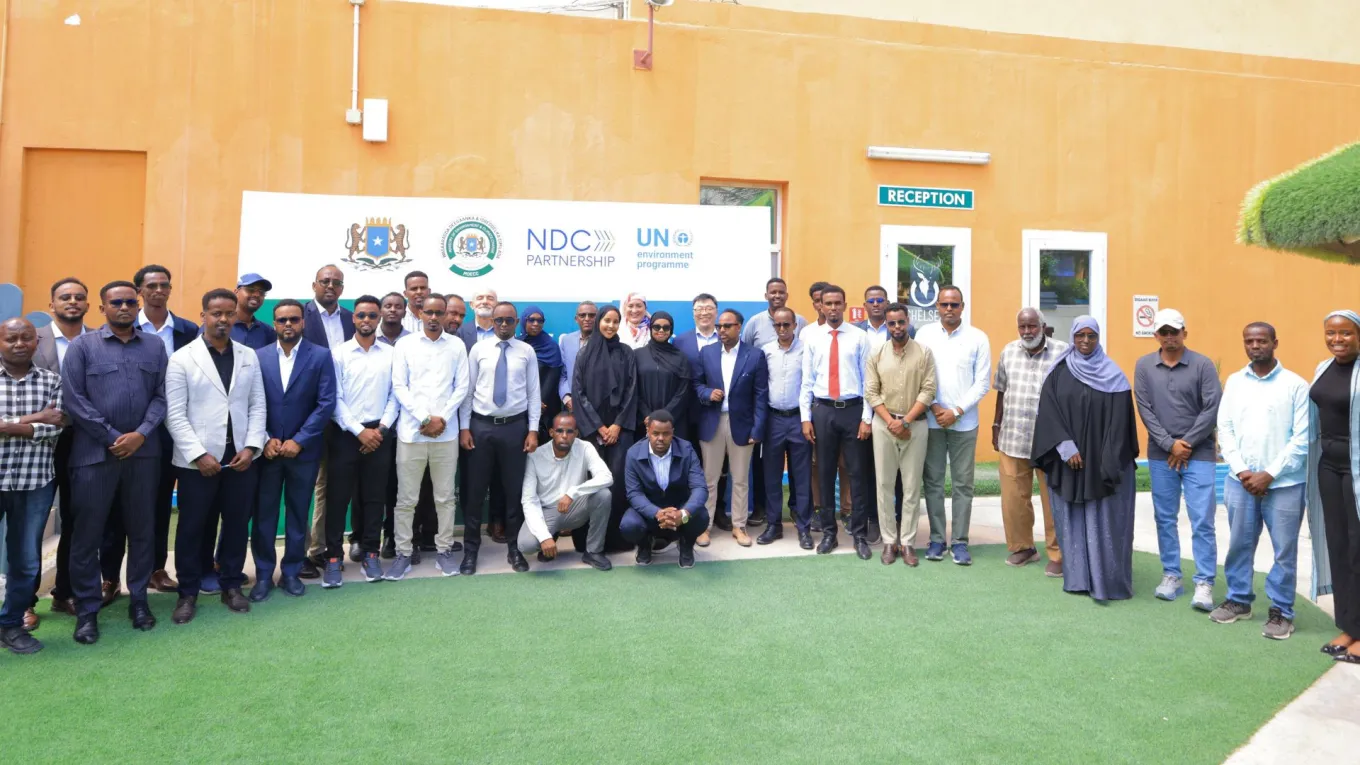
Somalia launched its NCAP process on 11 May in Mogadishu, bringing together 37 participants from federal ministries, five federal member states, the private sector and international partners. 

Image
Somalia

The meeting established an inter-ministerial Steering Committee to guide coordination, data collection and technical planning. Further on governance, Somalia has already referenced its Global Cooling Pledge commitments in its most recent NDC update, formally aligning its national climate targets with the Pledge. The NCAP launch carries that alignment into implementation.

Djibouti tests cooling policy under extreme demand

For Djibouti the challenge lies in designing efficient cooling under some of the highest demand conditions in the world. The country records around 4,450 Cooling Degree Days, among the top five globally, with demand projected to rise to around 5,050 by 2050. Heatwaves are becoming longer and more frequent, with temperatures reaching up to 50°C. Djibouti already experiences around 50 days per year above 40°C and approximately 180 days above 35°C.

Image
Djibouti

Beyond energy efficiency, the food dimension is equally pressing. Around 30 per cent of local agricultural production is lost due to lack of cold storage, while nearly 90 per cent of food is imported. Existing cold chain infrastructure remains concentrated mainly in the free zone and large supermarkets, leaving local markets with limited access to reliable cooling.

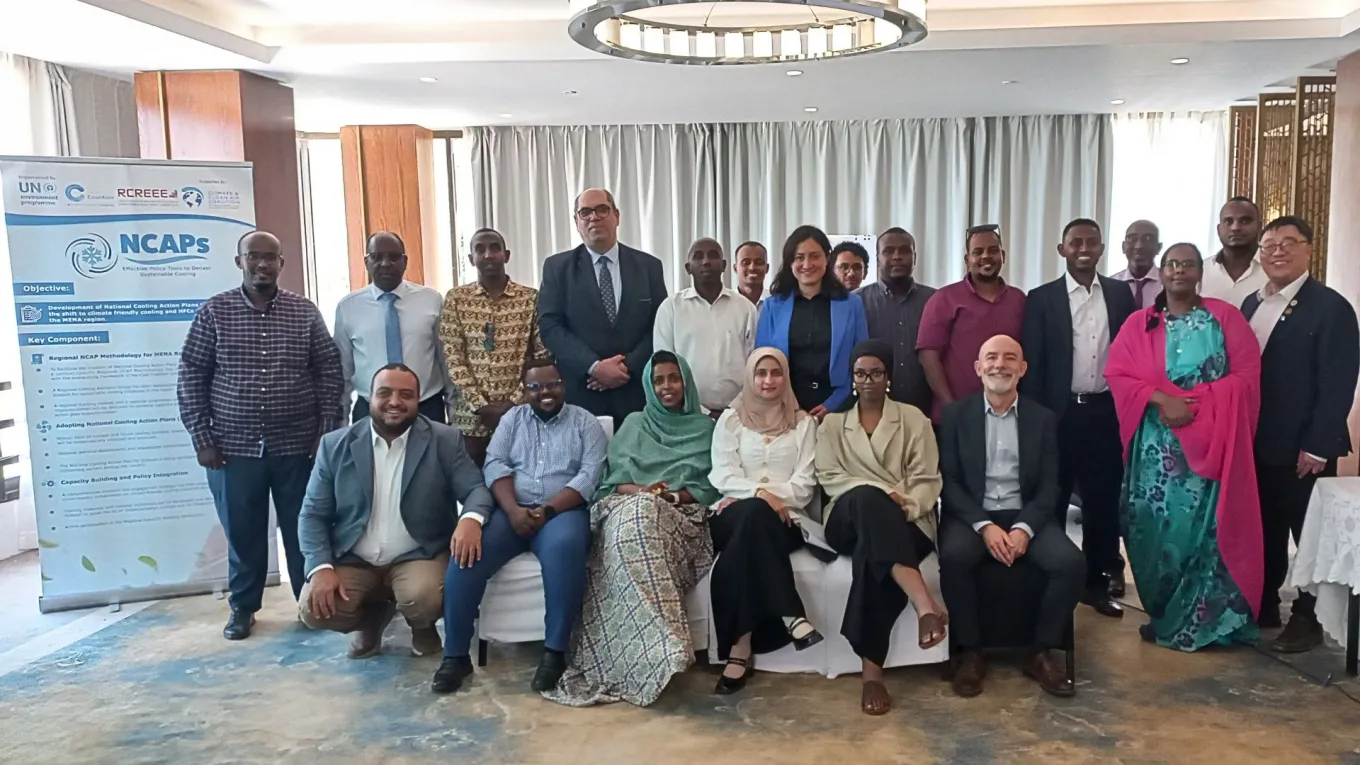
Djibouti launched its NCAP process on 13 and 14 May, convening 39 participants from government institutions, including the Minister of Energy and Natural Resources, Yonis Ali Guedi, as well as public agencies, the private sector and international organizations. 

The technical discussion focused on the issues that will determine implementation quality, including appliance labelling, Minimum Energy Performance Standards, national capacity for standards verification and enforcement, efficient cooling practices in public buildings, and the balance between efficiency ambition and affordability.

As a Pledge signatory, Djibouti is now turning its commitment into a national process designed to strengthen cooling policy, standards and implementation capacity.

Delivering on the Global Cooling Pledge

Taken together, the two launches show the breadth of contexts in which cooling policy is now being applied. NCAPs are helping countries move from individual interventions to structured national planning, while framing cooling less as an appliance issue and more as economic and resilience infrastructure tied directly to food systems, public health, energy access and livelihoods.

They also show the Global Cooling Pledge moving from commitment to delivery. With NCAP development a core Pledge commitment for 2026, Somalia and Djibouti join a growing group of signatories turning the pledge into national planning.

The work now moves into the phase that will determine impact, featuring data collection, modelling, steering committee coordination, and choices on efficiency and refrigerant pathways. These steps will shape how sustainable cooling can protect lives, strengthen food systems and support development without locking in inefficient, high-emission demand.