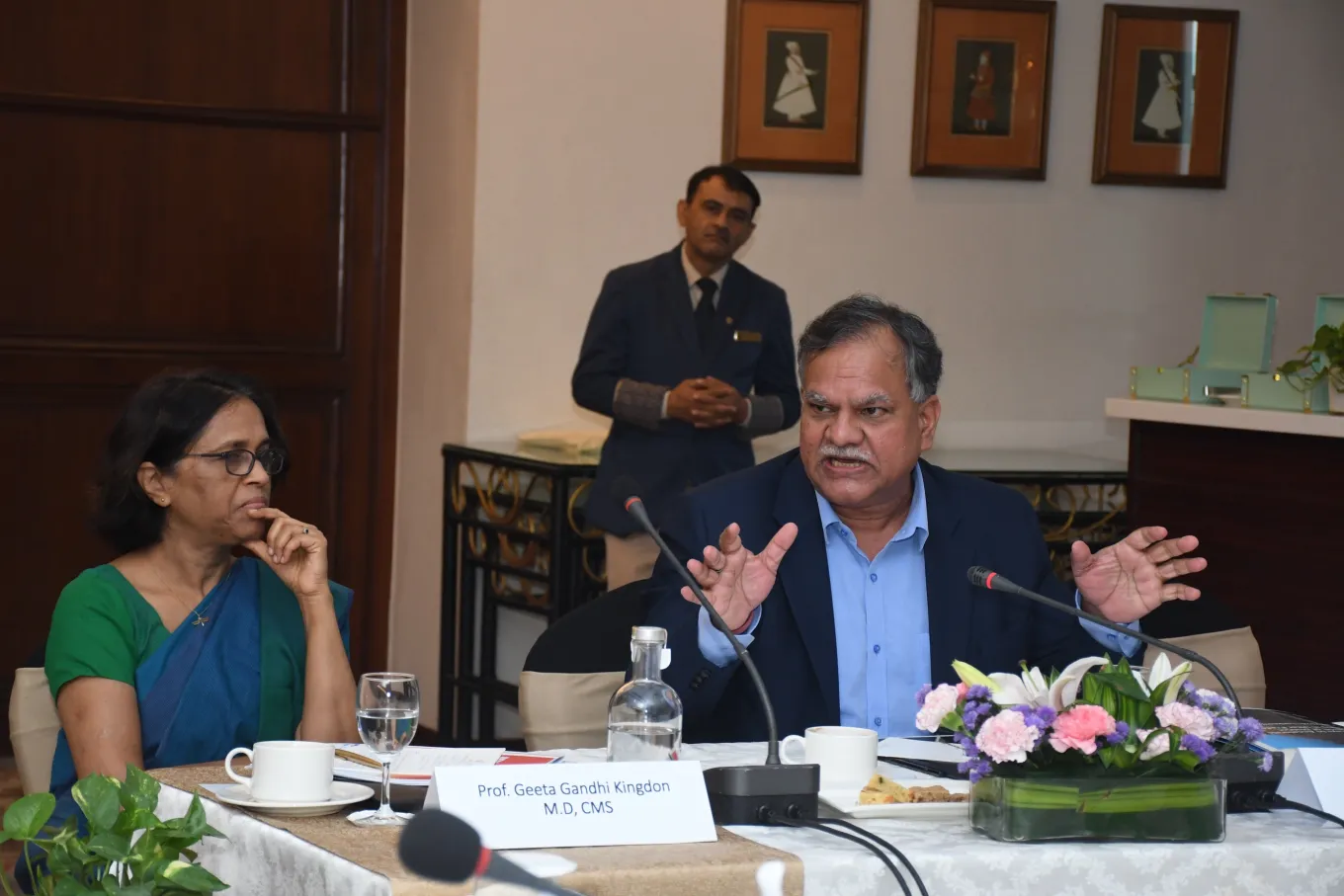
The UNEP Cool Coalition and BEE–UNEP District Cooling Hub, in partnership with the Uttar Pradesh State Transformation Commission, convened the High-Level Workshop on Pathways to Accelerate Adoption of District Cooling in Uttar Pradesh in Lucknow on 3 July 2026. 

The workshop brought together senior representatives from the Government of Uttar Pradesh, urban development authorities, planning agencies, infrastructure developers, multilateral organisations and other key stakeholders to explore opportunities for accelerating the adoption of district cooling as part of the state's sustainable urban development agenda.
Meeting the Growing Demand for Sustainable Cooling

As Uttar Pradesh continues to urbanise and industrialise, demand for cooling is expected to grow significantly across cities and emerging economic centres. Meeting this demand sustainably will be critical to improving energy efficiency, reducing peak electricity demand, strengthening climate resilience and supporting more resource-efficient urban growth. District Cooling Systems (DCS) offer a proven and scalable solution by providing cooling through a centralised network, delivering greater efficiency while reducing energy consumption, emissions and pressure on urban infrastructure.

Building Partnerships to Accelerate District Cooling

The workshop served as a platform to build awareness of district cooling technologies, share experiences from operational projects in India, and discuss the enabling conditions required to integrate district cooling into future urban developments. Participants also explored the wider benefits of district cooling in supporting sustainable city planning, including opportunities to improve energy performance, optimise water use and contribute to long-term urban resilience.

Inaugural remarks were delivered by Mr Manoj Kumar Singh, Chief Executive Officer, State Transformation Commission, and Mr Akshat Verma, Additional Chief Executive Officer, State Transformation Commission. The workshop also brought together representatives from the Uttar Pradesh Secretariat, UP Projects Corporation, Town and Country Planning Department, EPC Mission Planning Department, New Okhla Industrial Development Authority (NOIDA), multilateral organisations including the World Bank, and institutions such as Noida International Airport and City Montessori School, reflecting the broad cross-sector collaboration needed to advance sustainable cooling in the state.

Discussions underscored the importance of embedding sustainable cooling considerations at the planning stage of new developments and fostering collaboration across government departments, development authorities, utilities, industry and financial institutions. Participants highlighted that coordinated planning and supportive policy frameworks will be essential to unlocking the full potential of district cooling in the state.

Image
UP Advancing Sustainable District Cooling

UNEP's Partnership with Uttar Pradesh

The workshop forms part of UNEP's broader partnership with the Government of Uttar Pradesh to advance sustainable cooling and climate-resilient urban development. Building on the state's leadership as the first in India to adopt an Urban Cooling Policy, UNEP is supporting efforts to accelerate the transition towards sustainable cooling through technical assistance, knowledge sharing and stakeholder engagement. This includes work on urban heat measurement and mitigation, green building standards, and sustainable cooling-as-a-service models that can help cities respond to rising temperatures while supporting sustainable economic growth.

By fostering collaboration and strengthening institutional capacity, UNEP aims to support Uttar Pradesh in integrating sustainable cooling into future urban development pathways. As cities continue to expand and cooling demand rises, such approaches will play an increasingly important role in delivering energy-efficient, climate-resilient and liveable communities while contributing to India's broader sustainable development and climate goals.