Showing 759 results
News
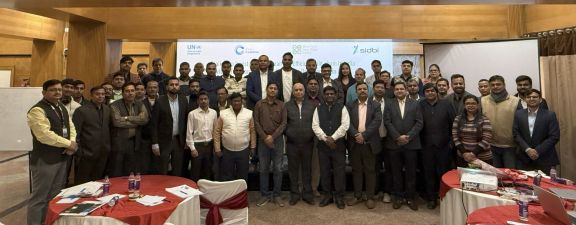
Accelerating Climate-Friendly and Integrated Cold-Chain Development for Agriculture in India
News
Viet Nam at the Forefront of Climate-Resilient Urban Development

News
5 Ways Sustainable Cooling Powers Clean Energy

Publication
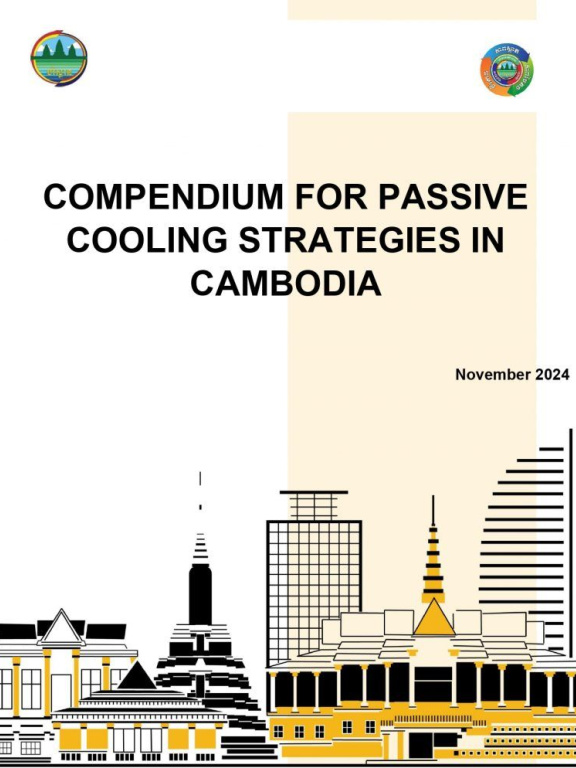
Compendium for Passive Cooling Strategies in Cambodia
The Compendium for Passive Cooling Strategies in Cambodia serves as a practical guide for integrating passive cooling strategies into Cambodia’s building sector. Tailored for architects, engineers, building owners, and professionals in construction and maintenance, it highlights three key types of strategies: site-oriented, design-oriented, and material/technology-oriented measures. Each section offers clear technical insights, practical application steps, and helpful tools to assist in selecting the most effective passive cooling options for projects. Beyond the core strategies, the compendium also includes a material directory and international case studies, providing additional support for the successful adoption of these solutions.
The Compendium was developed and published by the Ministry of Environment of Cambodia. This work was made possible through the technical and financial support of the United Nations Economic and Social Commission for Asia and the Pacific (ESCAP), the United Nations Environment Programme (UNEP) Cool Coalition, and the ClimateWorks Foundation, whose contributions were crucial to its development.
News
Cool Solutions for a Warming Tamil Nadu

News
Advancing Heat Resilience in India: Key Takeaways from the International Workshop on Heat Wave 2025

Publication
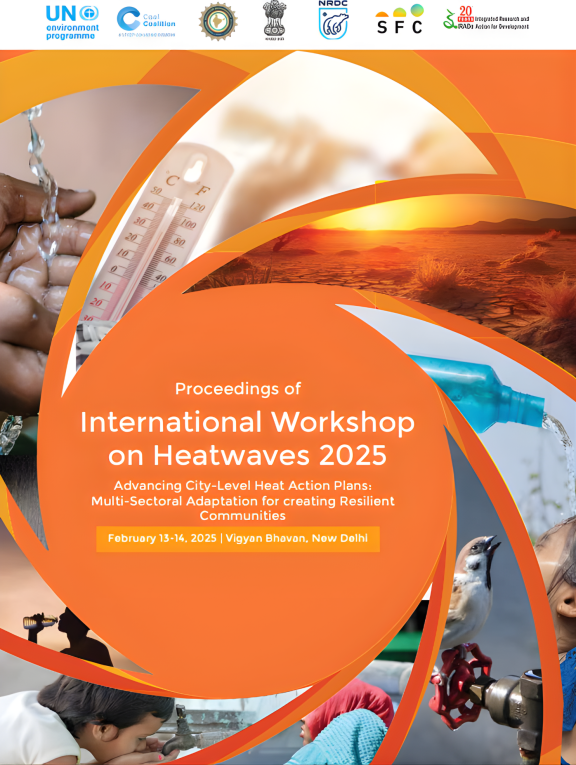
Advancing City-Level Heat Action Plans
As India and many other countries face intensifying extreme heat, the need for robust, city-level Heat Action Plans (HAPs) has become urgent. In February 2025, the UNEP Cool Coalition partnered with India’s National Disaster Management Authority (NDMA) to co-host an international workshop focused on advancing HAPs as tools for both emergency response and long-term heat resilience.
Bringing together over 15 Cool Coalition partners and global experts, the workshop showcased best practices such as passive cooling, Urban Heat Island mapping, and the Chief Heat Officer model. Key outcomes included strengthening coordination across governance levels, scaling innovative cooling for vulnerable populations, and integrating sustainable cooling into urban redesign.
News
Cooling Cambodia: A Blueprint for Climate-Smart and Energy-Efficient Design

News
Cool Talks Explore the Future of Sustainable Cooling

News
Women in District Cooling: Driving Inclusive and Resilient Solutions for India